Today's class was quite a wake up call as soon as we found out that tomorrow would be our last opportunity to work on the film in class. We all decided that it was time to step up and try even harder to understand how to use Final Cut Pro. Unfortunately, we had not gotten organized in the previous week to come in and capture the rest of our footage and so we had to spend the first 20 minutes of the lesson capturing that.
We wanted to take advantage of this time though, so despite the lack of volume, we took notes on which visual should go with which interview. We also went through our brainstormed visuals and crossed off any unnecessary ones.
As a group, we sometimes found it difficult to decide what to eliminate and what not to so we had to come up with a system where when there was a conflict, we would listen to the content of the visual and see it it's necessary or not.
Today there was a big jump in our editing stage. We managed to to cut out any mistakes and extra takes and started to rearrange the order of the takes to make it as logical as possible for viewers to get a nice flow. While doing this, we all found it a bit of a struggle to learn how to use the different tools and transitions. In the next lesson or in lunch breaks, we are all keen to learn how to insert captions into film to enhance it and make it more comprehendible to viewers, but we hear this is quite difficult and slightly above our skill level, so this is something we will do only if we have time.
Today, I particularly enjoyed the feeling that we were finally getting somewhere in terms of editing and are nearly done, even if it was challenging I definitely feel that I'm improved massively today.
I feel that today I was particularly a thinker, as I was analyzing all of the films and really thinking about what will work and won't work in an efficient manner to finish the project on time.
Monday, March 22, 2010

Sunday, March 21, 2010
Reflection - March 9, 2010
Today we continued on from yesterday's lesson in terms of editing and looking for visuals. I was also introduced to filming scripts for the first time.
In order to find the right visuals for the film project, my group members and I watched all four of the interviews and took notes on anything that could be a possible visual in the film. We ended up taking too many notes down, so then began to narrow them down. We found the decision making particularly difficult as to what we should include and what we shouldn't, and still manage to have good periods of time where you see the speaker and not just visuals. As a group, we managed to cross off as many unnecessary visuals as possible.
Then we started to write up the scripts. This section is when we realized this was actually going to take a while to complete. We had not realized when simply coming up with ideas, how much thought would have to be put into the different scenes we may act out. We managed to complete a few shots' scripts and planned on going out and filming them.
As a group, we are still finding the editing very difficult and extremely confusing because none of us are very familiar with Final Cut Pro, but we have continued to persevere and are slowly making progress in our editing skills. We will keep practicing using the software, and will hopefully improve soon.
At the moment, it seems as if our group is working well together, with technology related issues giving us trouble. We may need to speed up our working speed slightly, for us to have a good complete product by the deadline.
In order to find the right visuals for the film project, my group members and I watched all four of the interviews and took notes on anything that could be a possible visual in the film. We ended up taking too many notes down, so then began to narrow them down. We found the decision making particularly difficult as to what we should include and what we shouldn't, and still manage to have good periods of time where you see the speaker and not just visuals. As a group, we managed to cross off as many unnecessary visuals as possible.
Then we started to write up the scripts. This section is when we realized this was actually going to take a while to complete. We had not realized when simply coming up with ideas, how much thought would have to be put into the different scenes we may act out. We managed to complete a few shots' scripts and planned on going out and filming them.
As a group, we are still finding the editing very difficult and extremely confusing because none of us are very familiar with Final Cut Pro, but we have continued to persevere and are slowly making progress in our editing skills. We will keep practicing using the software, and will hopefully improve soon.
At the moment, it seems as if our group is working well together, with technology related issues giving us trouble. We may need to speed up our working speed slightly, for us to have a good complete product by the deadline.
Monday, March 8, 2010
Reflection - March 8, 2010
Today was the first day of actual editing of the footage with all group members present, so it was a much more successful lesson in terms of progressing in our film and the development of our ideas. We split into two, so that Harry and I focused on coming up with visuals for the film, whilst Zoe and Jade focused on editing the footage.
At first, Harry and I had interpreted "visuals" slightly incorrectly, and were looking only for pictures and then Ms Wong reminded us that visuals could also include media such as YouTube clips. In my previous research, I had already found many youtube clips that would be suitable for this project. I immediately went onto those clips to find some suitable footage relevant to the built environment and fashion in Hong Kong. Harry and I took screenshots of particular sections of the videos we found interesting which you can see on my post named VISUALS. Although all you can see in the post is pictures, in the actual film, we would want to include the actual footage.
Whilst looking at all of these other people's media, we started to come up with ideas of our own that we could go out and capture on film that were relevant to what our interviewees mentioned in their interviews. For example, we thought about how we could go to an actual Kate Spade shop ourselves, and film the shop and the types of people going into it. We could also get footage of the harbour reclamation in Central for another one of our interviews.
I particularly enjoyed today's lesson, especially in comparison to the last because I really enjoy learning about Hong Kong history and so looking at pictures and videos of Hong Kong in the 1930s was more of a reward for me than work. I think that today was a successful lesson because we came up with many productive ideas that could greatly enhance our film and we are definitely heading in the right direction in terms of getting a nice balance of visuals and the footage of the interviews into our films.
At first, Harry and I had interpreted "visuals" slightly incorrectly, and were looking only for pictures and then Ms Wong reminded us that visuals could also include media such as YouTube clips. In my previous research, I had already found many youtube clips that would be suitable for this project. I immediately went onto those clips to find some suitable footage relevant to the built environment and fashion in Hong Kong. Harry and I took screenshots of particular sections of the videos we found interesting which you can see on my post named VISUALS. Although all you can see in the post is pictures, in the actual film, we would want to include the actual footage.
Whilst looking at all of these other people's media, we started to come up with ideas of our own that we could go out and capture on film that were relevant to what our interviewees mentioned in their interviews. For example, we thought about how we could go to an actual Kate Spade shop ourselves, and film the shop and the types of people going into it. We could also get footage of the harbour reclamation in Central for another one of our interviews.
I particularly enjoyed today's lesson, especially in comparison to the last because I really enjoy learning about Hong Kong history and so looking at pictures and videos of Hong Kong in the 1930s was more of a reward for me than work. I think that today was a successful lesson because we came up with many productive ideas that could greatly enhance our film and we are definitely heading in the right direction in terms of getting a nice balance of visuals and the footage of the interviews into our films.
Reflection - March 5, 2010
Today was filled with many challenges and difficulties but I also learned a lot about capturing film onto a computer and how the media lab works at CIS. Unfortunately, Harry and Zoe, two of my group members were absent for this lesson generally making the lesson more difficult and confusing.
Jade and I had planned for this double lesson to capture all of the film off of the tape and then begin to edit even. However due to my previous absences, I had missed the lesson where students were taught how to use Final Cut Pro and log and capture the film. Jade said she had missed that lesson too, so the lesson did not start off too well. I then went to my friend, Sophia, for some help as she seemed to know what she was doing somewhat. We connected the firewire to the camera, had everything set up, opened Final Cut Pro. And then we realized we had not found the footage of the three interviews we had completed that week. Neither knowing how to use the camera, nor being the one who had supposedly rewinded the tape before we started to film, I really did not know what I was doing. Jade and I spent 45 minutes, simply trying to find the footage on the tape. Eventually we found it after rewinding and fast forwarding through the tape at least three times.
We then began to capture, by trying to press the capture now button, but Final Cut Pro then froze, and the spinning dial appeared on the screen. Being patient, we waited for a few moments to see if the software was only lagging, but soon decided it was not going to recover. We then proceeded to force quit the application only to find that wasn't working either, so we had to restart the computer. This problem continued to happen several times and after restarting the computer for the third time we decided to step up and ask for some more help. Mr. Chiang then helped us to clear up some space on the scratch drive and made sure all of the settings were correct on Final Cut Pro for it to work.
Once everything was all cleared up, we clicked capture again but the computer simply froze again and we had to go to class and I decided I would have to come back at lunch to clear things up and start capturing in preparation for the next lesson when we could start filming.
When I came back at lunch, everything worked much better, I set it up on a new computer and left it all capturing successfully. I came back after school to check on it and tidy away the equipment, but found the computer had frozen again, but luckily most of the footage was already captured.
Overall, today was very difficult, with many problems and challenges which were time-consuming to overcome, but it is important that I learn how to use Final Cut Pro and how to capture film and so on and the best way to learn is through making mistakes. Next time, I will make sure I set up all of the settings correctly to prevent any problems and make sure I give the computer lots of time to process the information. I will also be more careful when filming to rewind the tape to the beginning.
Sunday, March 7, 2010
VISUALS
The Built Environment:
Past
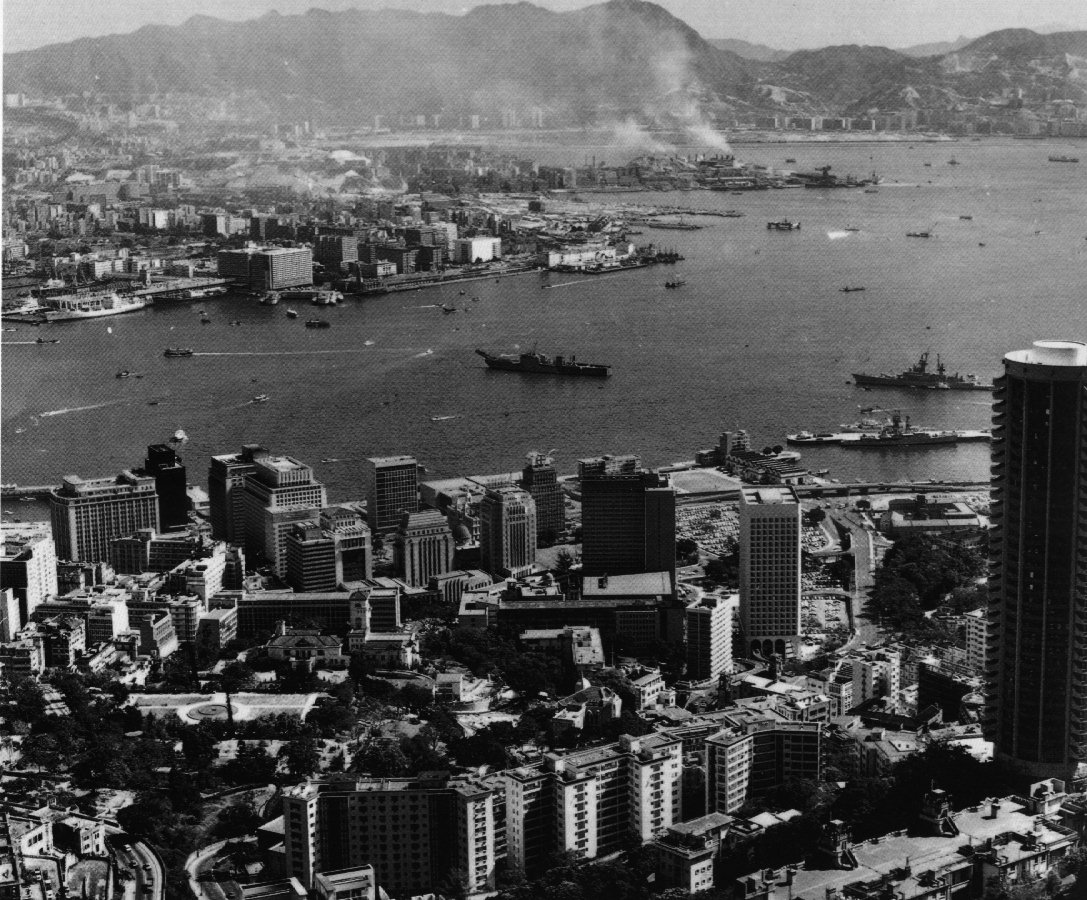


Past
http://www.ibiblio.org/hkpa/Scenic/ftp/hk1972a.jpg

http://www.youtube.com/watch?v=hIHTrmz4hTI&feature=player_embedded#

http://www.youtube.com/watch?v=hIHTrmz4hTI&feature=player_embedded#

http://www.youtube.com/watch?v=hIHTrmz4hTI&feature=player_embedded

http://www.youtube.com/watch?v=hIHTrmz4hTI&feature=player_embedded#

http://www.youtube.com/watch?v=hIHTrmz4hTI&feature=player_embedded#

http://www.youtube.com/watch?v=hIHTrmz4hTI&feature=player_embedded#
Present
http://www.freewebs.com/vm4hk/victoria-peak-hong-kong-big.jpg


http://www.hkcec.com/about-hkcec/image-gallery/construction-milestone
http://static.panoramio.com/photos/original/5243448.jpg
Fashion
Past
This video is useful for both the Built Environment and Fashion past. There is not a lot of footage of fashion in Hong Kong so this video is particularly useful towards the end.

http://www.youtube.com/watch?v=RJ1b-2YHFbo

http://www.youtube.com/watch?v=RJ1b-2YHFbo

http://www.youtube.com/watch?v=RJ1b-2YHFbo

http://www.youtube.com/watch?v=hIHTrmz4hTI&feature=player_embedded#
Present

https://blogger.googleusercontent.com/img/b/R29vZ2xl/AVvXsEiHu-xUDD3BydGWUpy8RacPsq4Tr7O6Ppd3juI9AUBa-STf3Cxu3xChcEN_MizbM1SY2KPs44em3_QmVgLDDM8Q-BIziE79gE-Hm8IGUIuEAVgly6IHwsGpjRz_0IvTFulwyjvp1pLF9Hg/s1600/IMG_4236.JPG
http://upload.wikimedia.org/wikipedia/commons/4/49/Ifc_Zara_20071110.jpg
http://www.tonguechic.com/assets/0001/6819/Kate_Spade1.JPG
Thursday, March 4, 2010
February 23, 2010 - Reflection
Today was my first lesson back after missing two so it was slightly challenging seeing as I was now a bit behind the rest of the class. But I managed and overall, enjoyed today's lesson and learned a lot about cinematography, especially, for the first time.
I found watching the Quantum of Solace trailer in class particularly fun and interesting today because I had never realized just how much thought had been put into a clip as short as 3 minutes long. When I watched the trailer for the first time, I did not notice too much as I found it all a bit overwhelming, so I was quite confused and didn't have much to contribute when the class read out their answers of homework from the previous lesson which I was absent for. I found their responses interesting in how they varied, but did not understand completely what they were talking about.
Watching the presentation afterwards helped me so much. This, I think, was the most challenging part of the lesson for me because I have never taken film before whereas I know a lot of the students have already and were familiar with many of the terms we covered. As Ms Wong swiftly guided us through the presentation, I listened and found it all very interesting as I picked up bits of the trailer in my head that had used some of these tools. When we were told of all the different effects on the watchers of the use of the tools such as a low angle making someone look more superior, I found it so interesting how it was so true and how easily the conscious mind didn't notice it. I also enjoyed learning about the other angles and shots and their effects on the films and watchers.
As we continued on to learn about the different lightings, and the film gauges, and different lenses, and film stock I was getting a bit lost. It was a lot of information to take in and even more so, this being my first time in the subject. I concentrated, but found the different angles and shots sometimes difficult to differentiate as we went through different images and talked of which tools were used. It's not that I don't understand it but I think I need more time to get familiar with the terms and can do so by going over the presentation myself in my own time which I have done and already I am beginning to understand cinematography and all of its tools a lot better.
After the presentation when we watched the Quantum of Solace Trailer for the second time, it was astonishing to me how much more I noticed, although of course not everything. I particularly liked the use of the different shots of when James Bond was talking to the man in the café and how the camera would move in closer to the talking pair as they got nearer and nearer to the answer of the initial suspenseful question with a series of action filled scenes in between. We discussed this section of the trailer in class, and I'll admit it took me a few times to watch it before I noticed it.
It is these kind of clever techniques that I would want to incorporate into my film depending on its purpose to make it more interesting, and a better film overall.
I really enjoyed today's lesson, finding it very interesting, fun and I learned a lot of new information on films, although it was quite challenging.
NOTE:
At the end of this lesson, we got divided into groups for the film project. I am in a group with Zoe, Harry and Jade. We need to interview two people on the built environment and fashion.
I found watching the Quantum of Solace trailer in class particularly fun and interesting today because I had never realized just how much thought had been put into a clip as short as 3 minutes long. When I watched the trailer for the first time, I did not notice too much as I found it all a bit overwhelming, so I was quite confused and didn't have much to contribute when the class read out their answers of homework from the previous lesson which I was absent for. I found their responses interesting in how they varied, but did not understand completely what they were talking about.
Watching the presentation afterwards helped me so much. This, I think, was the most challenging part of the lesson for me because I have never taken film before whereas I know a lot of the students have already and were familiar with many of the terms we covered. As Ms Wong swiftly guided us through the presentation, I listened and found it all very interesting as I picked up bits of the trailer in my head that had used some of these tools. When we were told of all the different effects on the watchers of the use of the tools such as a low angle making someone look more superior, I found it so interesting how it was so true and how easily the conscious mind didn't notice it. I also enjoyed learning about the other angles and shots and their effects on the films and watchers.
As we continued on to learn about the different lightings, and the film gauges, and different lenses, and film stock I was getting a bit lost. It was a lot of information to take in and even more so, this being my first time in the subject. I concentrated, but found the different angles and shots sometimes difficult to differentiate as we went through different images and talked of which tools were used. It's not that I don't understand it but I think I need more time to get familiar with the terms and can do so by going over the presentation myself in my own time which I have done and already I am beginning to understand cinematography and all of its tools a lot better.
After the presentation when we watched the Quantum of Solace Trailer for the second time, it was astonishing to me how much more I noticed, although of course not everything. I particularly liked the use of the different shots of when James Bond was talking to the man in the café and how the camera would move in closer to the talking pair as they got nearer and nearer to the answer of the initial suspenseful question with a series of action filled scenes in between. We discussed this section of the trailer in class, and I'll admit it took me a few times to watch it before I noticed it.
It is these kind of clever techniques that I would want to incorporate into my film depending on its purpose to make it more interesting, and a better film overall.
I really enjoyed today's lesson, finding it very interesting, fun and I learned a lot of new information on films, although it was quite challenging.
NOTE:
At the end of this lesson, we got divided into groups for the film project. I am in a group with Zoe, Harry and Jade. We need to interview two people on the built environment and fashion.
February 22, 2010 - Quantum of Solace Trailer
Unfortunately, I was absent on this day as well, but here is the homework we were meant to complete for that class:
Watch this trailer for 'Quantum of Solace' and write one paragraph on:
1) HOW did this trailer make you feel?;
It made me feel curious, interested and a bit nervous. I wanted to watch more and find out more about what was happening and why. It was very suspenseful and they never developed an idea, but instead were always switching between them, so I wanted to finish off those scenes they had cut short. It also made me feel quite excited with the music and the rhythm of the video and made me feel even a bit more energetic and keen to watch the film.
2) WHAT tools did the filmmakers use to make you feel this way?
They used a great varieties of tools to make me feel this way. One that particularly stood out to me was the effect the music had on the rhythm and speed of the trailer, and how they would switch scenes to the rhythm of the music keeping you on the edge of your seat. The music was exciting, loud and suspenseful.
I also think the way that they used all of the different camera angles and how they were always switching between them made it interesting as you were constantly looking from everywhere into the film and never got bored of one scene. They also used a variety of scenes expressing the different themes that would be explored in the film such as action, adventure, crime, romance; this is also makes the film more appealing to a wider audience. I also think that how they were always cutting the dialogue short and never telling you the answers also made me feel that I want to watch it and excited to find out.
3) HOW do you think the filmmakers used CINEMATIC LANGUAGE in this trailer?
The filmmakers used a lot of cinematic language in this trailer. They used it to give it variety, set a tone and make it interesting and dynamic, making it appealing for viewers to go out and watch it. When watching the trailer, I noticed they used a great variety of angles and different size shots, portraying who the characters are and which ones are important, strong, superior. The shots helped to create the suspenseful atmosphere sometimes coming in closer to conversations or having an extremely wide shot to show the area. They also used a variety of lighting to create scenes where it is suspenseful and dark and then switch to a bright sunny day, expressing how a variety of different scenes are in the movie.
4) Do you think this trailer is effective? Why?
Yes, I think this trailer is effective because it not only is gripping, but it also shows you in 3 minutes what you should be expecting - action, adventure, a bit of romance. It shows that is a high budget film with many special effects but still has a great suspenseful plot with the dialogue. It also shows the location of the film and the characters, whilst keeping watchers holding on to their seats just wanting to know what happens next.
Watch this trailer for 'Quantum of Solace' and write one paragraph on:
1) HOW did this trailer make you feel?;
It made me feel curious, interested and a bit nervous. I wanted to watch more and find out more about what was happening and why. It was very suspenseful and they never developed an idea, but instead were always switching between them, so I wanted to finish off those scenes they had cut short. It also made me feel quite excited with the music and the rhythm of the video and made me feel even a bit more energetic and keen to watch the film.
2) WHAT tools did the filmmakers use to make you feel this way?
They used a great varieties of tools to make me feel this way. One that particularly stood out to me was the effect the music had on the rhythm and speed of the trailer, and how they would switch scenes to the rhythm of the music keeping you on the edge of your seat. The music was exciting, loud and suspenseful.
I also think the way that they used all of the different camera angles and how they were always switching between them made it interesting as you were constantly looking from everywhere into the film and never got bored of one scene. They also used a variety of scenes expressing the different themes that would be explored in the film such as action, adventure, crime, romance; this is also makes the film more appealing to a wider audience. I also think that how they were always cutting the dialogue short and never telling you the answers also made me feel that I want to watch it and excited to find out.
3) HOW do you think the filmmakers used CINEMATIC LANGUAGE in this trailer?
The filmmakers used a lot of cinematic language in this trailer. They used it to give it variety, set a tone and make it interesting and dynamic, making it appealing for viewers to go out and watch it. When watching the trailer, I noticed they used a great variety of angles and different size shots, portraying who the characters are and which ones are important, strong, superior. The shots helped to create the suspenseful atmosphere sometimes coming in closer to conversations or having an extremely wide shot to show the area. They also used a variety of lighting to create scenes where it is suspenseful and dark and then switch to a bright sunny day, expressing how a variety of different scenes are in the movie.
4) Do you think this trailer is effective? Why?
Yes, I think this trailer is effective because it not only is gripping, but it also shows you in 3 minutes what you should be expecting - action, adventure, a bit of romance. It shows that is a high budget film with many special effects but still has a great suspenseful plot with the dialogue. It also shows the location of the film and the characters, whilst keeping watchers holding on to their seats just wanting to know what happens next.
Wednesday, March 3, 2010
February 11, 2010 - 20 Questions on Hong Kong
I was absent for this lesson, so I am not able to reflect on that particular lesson but here are my responses to the questions which were discussed during that lesson:
1)What are some significant changes in your daily life?
I have not noticed many significant changes in my daily life other than personal changes such as moving schools, going into secondary school and so on. In terms of Hong Kong, I have noticed many changes in terms of the harbour front and how it is constantly changing as I have grown up. My views have been obstructed through land reclamation.
2)How long have you been in Hong Kong?
I was born in Hong Kong and have always lived here and nowhere else, I am now 15 years old.
3)What are the basic needs of your life?
3)What are the basic needs of your life?
Being a human being, I need a place to sleep at night, 3 meals a day, clothing, water and the obvious. To be more particular with me, the basic needs of my life would be education (going to school everyday), those mentioned earlier, support from my family, a balance of work and fun.
4) Are there social classes and what are the differences?
4) Are there social classes and what are the differences?
Upper Class - rich and wealthy + educated overseas
Middle Class - working couples, educated, own their own home, dual income, both spouses working, combination of local and overseas educated
Lower Class - uneducated, chauffeur, amah, factory workers, employees of the goods and service industries
5)How do people react to the 'One Country, Two Systems' concept?
5)How do people react to the 'One Country, Two Systems' concept?
Overall, I don't think people have a big problem with being apart of China, but the 'two systems' concept is failing Hong Kong as a city and people are really beginning to notice this in the recent years, especially. It is ineffective, and dysfunctional and just a big mess. Some say all the government do is have restrictions and oppose anything suggested. I think many of the people who lived through the colonial days especially, are noticing the difference and the ineffectiveness of it and it is very frustrating for them.
6)How did the British colonization affect your life and were there any differences to the traditional Hong Kong way of life?
6)How did the British colonization affect your life and were there any differences to the traditional Hong Kong way of life?
I do not personally remember living through the British Colonial days although I did for the first three years of my life. It has most definitely impacted my life though in terms of the number of english speaking people in the city, some of the few buildings remaining and how it made Hong Kong an international city through the harbour while China was going through its internal problems.
7)How much time do you spend with your family?
7)How much time do you spend with your family?
I spend a lot of time with my family in comparison to a lot of my friends. I eat dinner with them most days of the week excluding when they have occasional dinner parties. My mum drives me and my sister to school every morning, and we always spend Sundays together and sometimes Saturdays too. We spend all of our holidays together and barely get sent off to camps. I visit my extended family in Australia every Christmas and during the summer holidays and sometimes at Easter as well.
8) Do you prefer Hong Kong in the past or the present?
8) Do you prefer Hong Kong in the past or the present?
I often dream of living in Hong Kong in the past. I would love so much to be able to explore Hong Kong in its colonial days, back when all of the buildings were the beautiful colonial style buildings, and there were rickshaws and more street vendors and markets. When the water and air was clear and you could always see out over the Kowloon hills from Hong Kong Island, and when Repulse Bay was clean and did not have all of the awful concrete infrastructure on it but rather the Repulse Bay hotel, changing stalls and so on.
Here is a great youtube clip on Hong Kong in the 1930s:
9) What was a trip to the cinema like in the 1980s when the film industry was booming? What is cinema experience like today?
Here is a great youtube clip on Hong Kong in the 1930s:
9) What was a trip to the cinema like in the 1980s when the film industry was booming? What is cinema experience like today?
In the 1980s in Hong Kong, the cinemas were usually single screen, very crowded, people would talk, shout, speak on mobile phones as they were able to watch the movie and read the subtitles in Chinese. The overall quality was good, but the sound was not always good. Many poor quality cheaply made advertisements would be shown before the film opened. Because there were not that many screens, there was limited choice available and movies were shown in HOng KOng several months and sometimes almost a year after their initial release overseas. There was more of a local audience than expat. The films were shown on projectors, they were not digital but the screens were big. The rooms were bigger than cinemas today even. The cinemas were all quite dirty and cockroach invested, the exception being the palace cinema in Causeway Bay.
Compared to today, where there is a much greater and variety of choice available in Hong Kong with almost all cinemas being multi screen complexes. Cinemas tend to be smaller in number of seats with digital sound and video. Tickets are more expensive today and are sold differently. Today you can book online, on your TV, by phone whilst in the past, it was manual and hand-writeen and you had to personally go to a ticket booth and queue up (only choice). The quality of the environment is much better now - clean theaters, clean toilets, movie releases can be same as in USA, Europe etc. Because can now be sent digitally, not on reels of tape. Cinemas today are in shopping complex whereas before were freestanding single buildings. The first multi screen cinemas appeared in the late 80s in places such as Pacific Place.
10) How do you feel about the decrease in size of the harbour?
10) How do you feel about the decrease in size of the harbour?
I understand that is the main source of commerce for Hong Kong Land and development of the city, but I think they need to take a step back and look at the long term effects of this. The harbour is Hong Kong's main asset. If we continue to make it smaller and smaller it will become less and less significant and will soon become a tiny river. I think the government should stop reclaiming land or at least reduce the rate of it until they come up with an alternative solution.
11) When did air quality start becoming such a big issue in Hong Kong?
11) When did air quality start becoming such a big issue in Hong Kong?
It started in the late 80s, early 90s during the administration of government Chris Patten. Due to the explosion of factories in the Pearl River Delta and the increase in the population of Hong Kong and the vehicular traffic.
12) Hong Kong is rapidly developing, with the Macau bridge and the high speed railway. How does this affect your daily life?
As Hong Kong continues to go through all of this change, I am living in a more and more modern developing city. It affects my life in terms of I am able to be exposed to many forms of new technologies and see how the world is developing. But on the other hand, we are losing touch with traditions of Hong Kong and its culture and heritage which is important to the city. I think the government should be careful not to go too far with this and end up losing Hong Kong in the process.
13) What sort of transportation do you use to travel around Hong Kong?
13) What sort of transportation do you use to travel around Hong Kong?
I live in Pokfulam, which unfortunately is not close to any MTR station and does not have a huge variety of buses passing by. But when I can, I take the minibus or citybus into central, and from there I usually take the MTR to get to anywhere urban in Hong Kong. I prefer the MTR the best because it is simple, fast, you skip the traffic, and you can get almost anywhere so quickly.
14) Has the rapid development of Hong Kong affected you in any way?
14) Has the rapid development of Hong Kong affected you in any way?
It has definitely affected me in many ways. These include the increase in air pollution, population, density, number of buildings, land reclamation etc. Land reclamation is one that I can personally relate to because I can remember when I was little, I used to be able to sit on my balcony and look over and see the Lamma Channel and ships passing by and a little fishing village. But then the government reclaimed all of the land, got rid of the village and built the Cyberport. My Dad tells me even before this, there used to be a small golf driving range in the valley behind the village. I never got the chance to experience Hong Kong as it used to be with little family owned shops, masses of street markets, fishing villages and so on all around me.
15) Are people in Hong Kong generally satisfied with the government?
15) Are people in Hong Kong generally satisfied with the government?
I don't think the people in Hong Kong are satisfied with the government at all. Whenever I hear people talk about the government, they are always complaining of how hopeless and backwards it all is. They talk of how all they are doing is going around in circles with pointless restrictions opposing everything whilst worrying what other people in the government will think of their decisions. They are all running around in circles doing nothing to solve Hong Kong's problems.
16) What do you think life was like for the cage people?
16) What do you think life was like for the cage people?
Cage people are extremely poor old single without family people. They are one step above homeless people, because they at least had shelter, but did not have room or toilet. They put all of these people in these rooms of bunk beds and each was a metal cage where they slept and had all their possessions. It was especially prevalent in the late 70s, early 80s as a result of an influx of refugees and a shortage of public housing. Life for them would have been lonely, miserable, a fight for survival.
17) What do you like to do in your free time?
17) What do you like to do in your free time?
I love going out and exploring Hong Kong's streets if I am in the area. Recently, I've gone into Causeway Bay or Central and into smaller back streets and looked in all of the small boutique shops and some of the local traditional shops. I also like to go boating to Lamma, but get dropped off at the fishing village where the restaurants are and hike to the beach and visit temples along the way. I also love to read, and draw and generally create things. I have a scrapbook which I often update in my free time as well.
18) How did culture develop under British rule?
18) How did culture develop under British rule?
Culture definitely changed during the British rule. It changed from being a small fishing community on a big rock to a bustling colony filled with an international population of merchants. The British introduced Western religion - churches, cathedrals, religious schools, Introduction of Western cuisine, music, literature, libraries, fashion, architecture. Basically under British, Hong Kong became a more Western styled city.
19) How did the Japanese occupation affect you?
19) How did the Japanese occupation affect you?
The Japanese occupation effected me in the long term rather than the short term. It was after the end of the Japanese occupation, when the question of power arose in Hong Kong. Chiang-Kai-Shek assumed he would be ruling the whole of China. And 3 years earlier, U.S. President Roosevelt said it was time that Hong Kong's Colony should end and it should join back to China. However this did not happen and Britain came back quickly and got the power back. Somewhat due to this pressure of them coming near the end of their rule, they became much more flexible with their policies on where the locals could have access to. They removed the restriction of the Chinese not being allowed on some beaches and not being allowed to own land on the Peak. This was the start of Hong Kong opening up and becoming the city it is today. This has affected me in terms of this bringing the end of the colony closer and into the current state it is today.
20) If there are three things you can change about Hong Kong, what would they be?
20) If there are three things you can change about Hong Kong, what would they be?
I would want to make it much cleaner in terms of both the air and sea because I love outdoor activities and particularly swimming in the sea and visiting beaches. Photos of Hong Kong's water in the past astonishes me and it bothers me that it has worsened so much in the last few decades. The air is also disappointing because it brings down the standard of Hong Kong and is making it a dangerous place to live in. I would also want the government to stop destroying heritage sites in Hong Kong such as Graham Street's Wet Market which is currently on the verge of being knocked down to create more high rise buildings. And lastly, I would want the government to take more care in terms of simple infrastructure and making them not only functional (current state) but also have some taste and quality. For example, Hong Kong is one of the only cities in the world where it has ugly silver bars on every footpath preventing people from running onto the road. It is unnecessary and making Hong Kong an ugly city.
Subscribe to:
Posts (Atom)